Chronic Pain Cat Feeding: Comparing Bowl Heights & Access
By Aisha Khan • 31st Mar
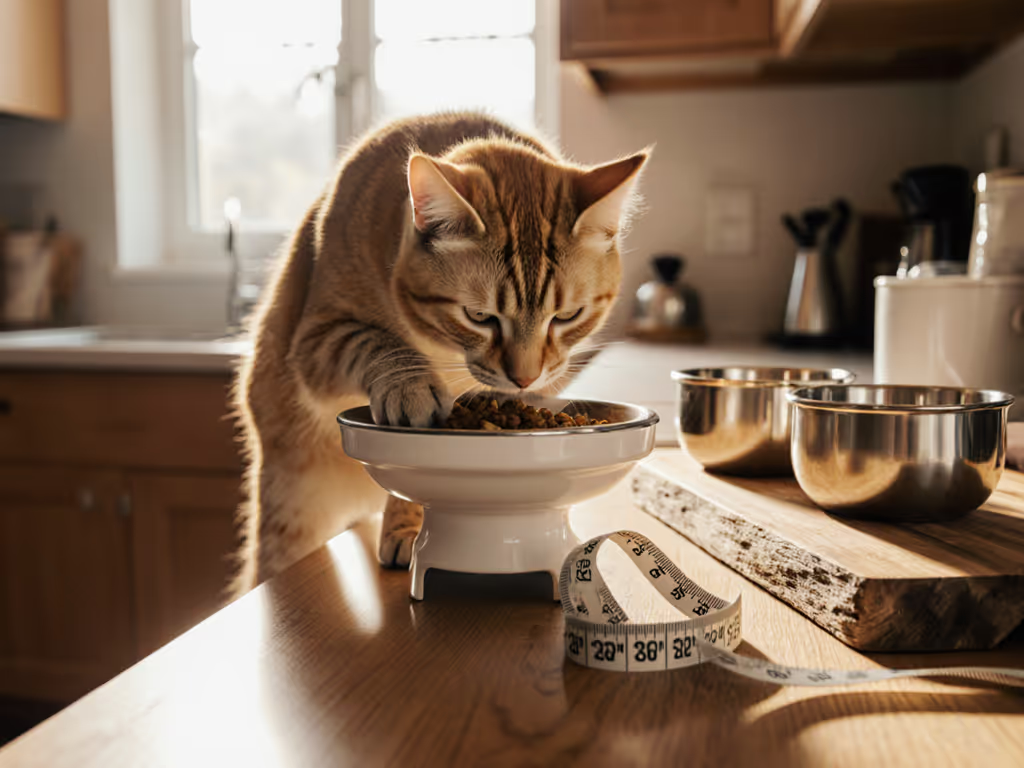
When a cat lives with chronic pain (whether from osteoarthritis, neuropathic conditions, or post-surgical recovery), the smallest details of their feeding setup can determine whether they eat comfortably or avoid meals altogether. Chronic pain cat feeding goes far beyond choosing a brand of kibble. The height of the bowl, the type of container, and how you control access to food become therapeutic decisions that your veterinarian will want you to get right. This comparison explores what actually works for cats in pain, what the data shows, and how to avoid the silent failures that leave your cat hungry at 3 a.m.
Why Bowl Height Transforms Comfort and Compliance
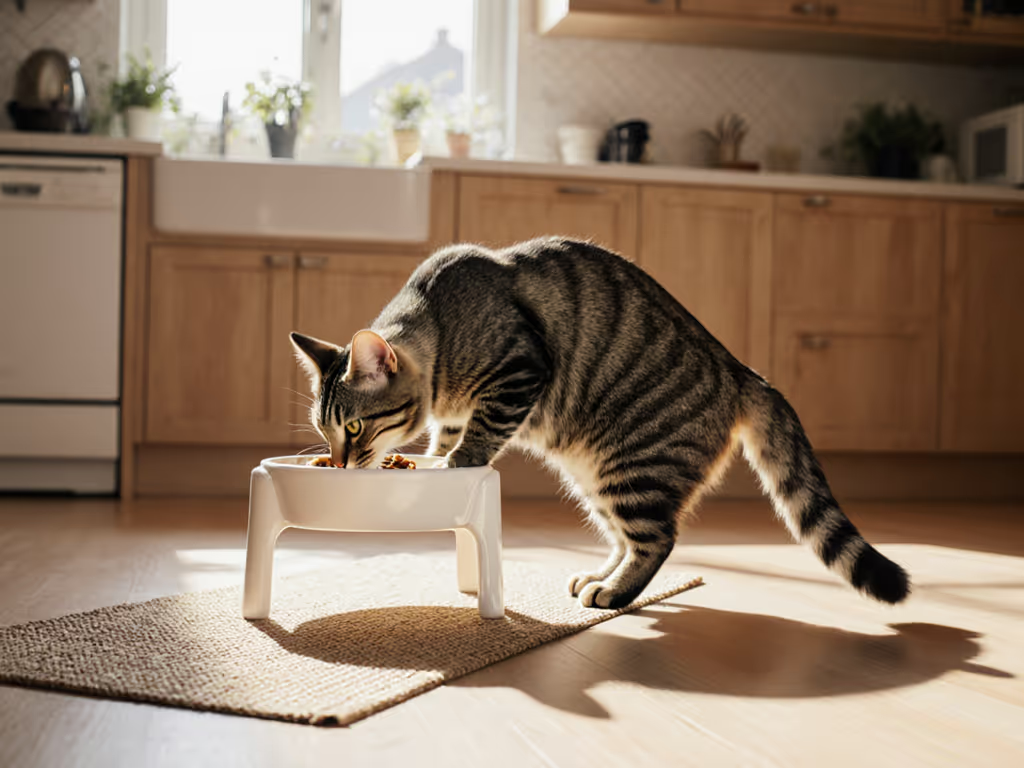
A cat with spinal pain, arthritic joints, or post-surgical limitations cannot comfortably lower their head to a floor-level bowl. The biomechanics are unforgiving: bending the cervical spine, flexing the front limbs, or compressing the lower back triggers inflammation and reluctance to eat.[4] Raised or elevated bowls shift the burden away from compromised joints and the spine, making meals accessible rather than a test of endurance.
Raised feeders are supported by clinical observation across veterinary pain management guidelines.[4] The reasoning is straightforward: a bowl at approximately elbow height means your cat eats with a neutral posture (no stooping, no overreaching). This matters acutely for cats recovering from spinal surgery, dealing with intervertebral disc disease, or managing degenerative joint disease. What matters less is brand mythology; what matters most is height that fits your cat's proportions.
Comparing Bowl Heights: Floor Level vs. Raised vs. Adjustable
Floor-Level Bowls
Characteristics:
- Standard ceramic or stainless steel bowls placed directly on the floor
- Lowest upfront cost ($5-$15 per bowl)
- Most stable; no tipping or shifting
- Easiest to clean (simple geometry, few parts)
For Chronic Pain Cats:
- Not recommended as a primary option
- Forces downward neck flexion and front-limb weight bearing
- Cats may avoid meals if pain spikes or may eat too quickly due to discomfort
- Particularly problematic for post-surgical or arthritic cats
Verdict: Floor-level works only for pain-free cats or as a temporary, supplementary station (e.g., water away from the primary feeding area).
Fixed Raised Bowls (4-8 Inches High)
Characteristics:
- Integrated stand with attached bowls; height is fixed
- Typical cost: $20-$60
- Reduces bending; mid-range comfort improvement
- Often sold as ceramic or stainless steel pairs (food + water)
For Chronic Pain Cats:
- Moderate improvement if height is matched to your cat's elbow
- Eliminates the worst floor-level strain
- Drawback: height is often "one-size-fits-most," not tailored to your cat's build
- May still require some neck flexion for smaller or shorter cats
Offline Reliability: No power, no batteries, no Wi-Fi. A fixed stand is pure mechanical simplicity. It will work during thunderstorms, power outages, or router failures. This is the kind of graceful failure that matters when reliability first trumps fancy features every day.
Verdict: A solid, cost-effective choice if the height closely matches your cat's proportions. Best suited for mild-to-moderate pain or maintenance feeding.
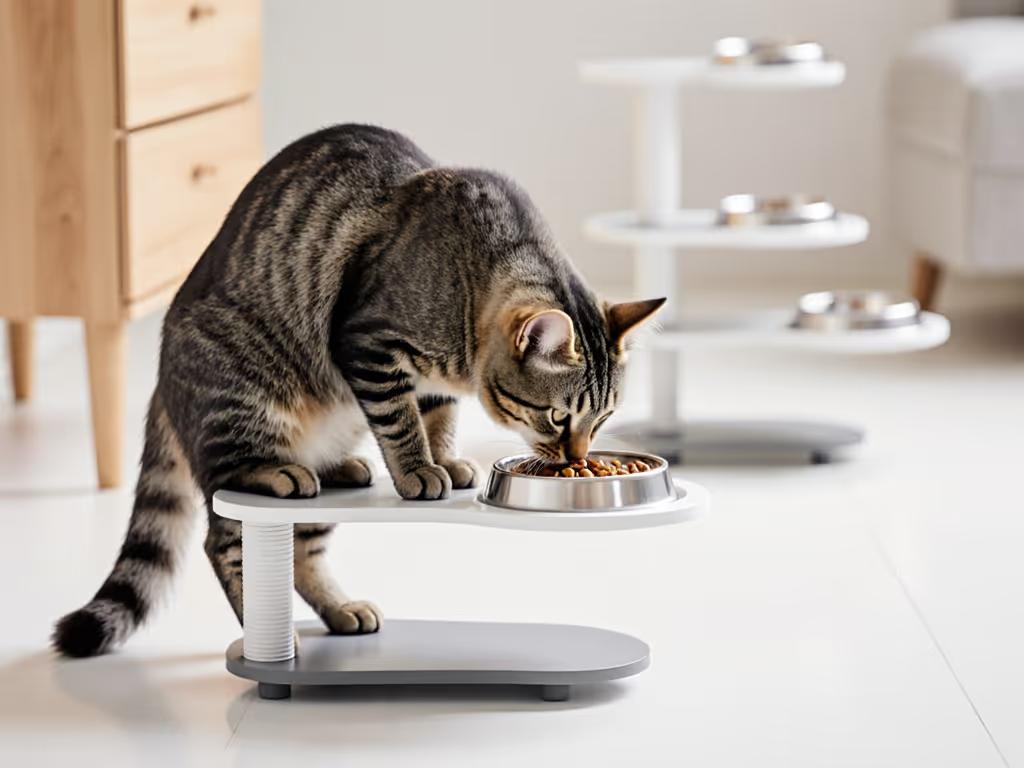
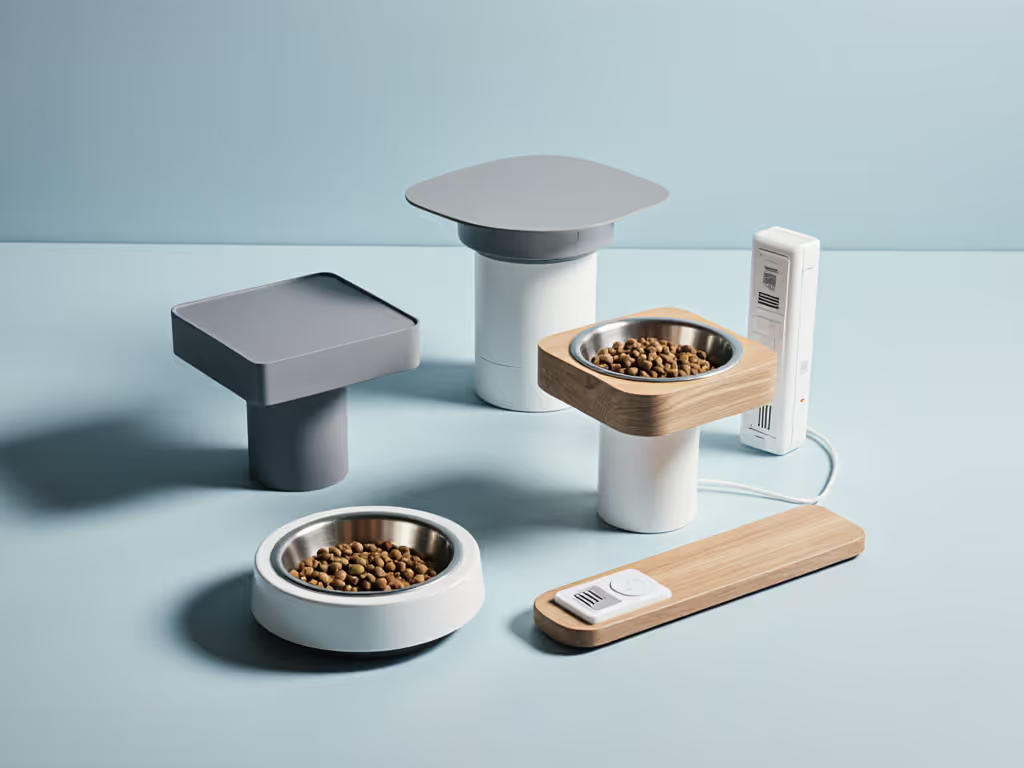
Adjustable or Elevated Systems (6-12+ Inches)
Characteristics:
- Height can be modified with blocks, wedges, or tiered stands
- Cost range: $30-$150+ depending on mechanism
- Allow fine-tuning to match your cat's individual anatomy
- Some systems include microchip-gated access or smart portion control
For Chronic Pain Cats:
- Gold standard for precision positioning
- Ideal for cats with severe arthritis or spinal disease where even a 2-inch difference matters
- Adjustable systems let you optimize based on your cat's current pain level and mobility changes over time
- Some include offline schedules and battery failsafes (important if your feeder has a power component)
The Reliability Question: If an adjustable system includes motorized or app-controlled features, test its offline behavior before adopting it. Can you override it manually? Does it revert to a safe schedule if Wi-Fi drops? Does battery depletion fail gracefully (staying open, not locking up)? A device that silently resets schedules or jams during an outage can turn a helpful tool into a source of stress.
Verdict: Best for cats with moderate-to-severe pain or multicat households requiring access control. Validate offline failsafes and manual override capabilities before purchasing.
Access Control: Why Containment Matters for Chronic Pain Diets
Cats with chronic pain often require specific therapeutic diets (prescription foods designed to reduce inflammation, support joint health, or optimize pain medication absorption).[2] In multicat households, preventing food theft and enforcing dietary boundaries becomes a pain management strategy, not merely a feeding convenience.
Traditional Open Bowls
Pros:
- No barriers; all cats can access any bowl
- Simple to fill and clean
- No electrical dependency
Cons:
- A dominant cat can monopolize the therapeutic diet intended for the painful cat
- The painful cat, moving slowly or eating cautiously, may not compete for food
- No audit trail; you cannot confirm your specific cat ate their medication-timed meal
- Cross-contamination risk if one cat has allergies and another does not
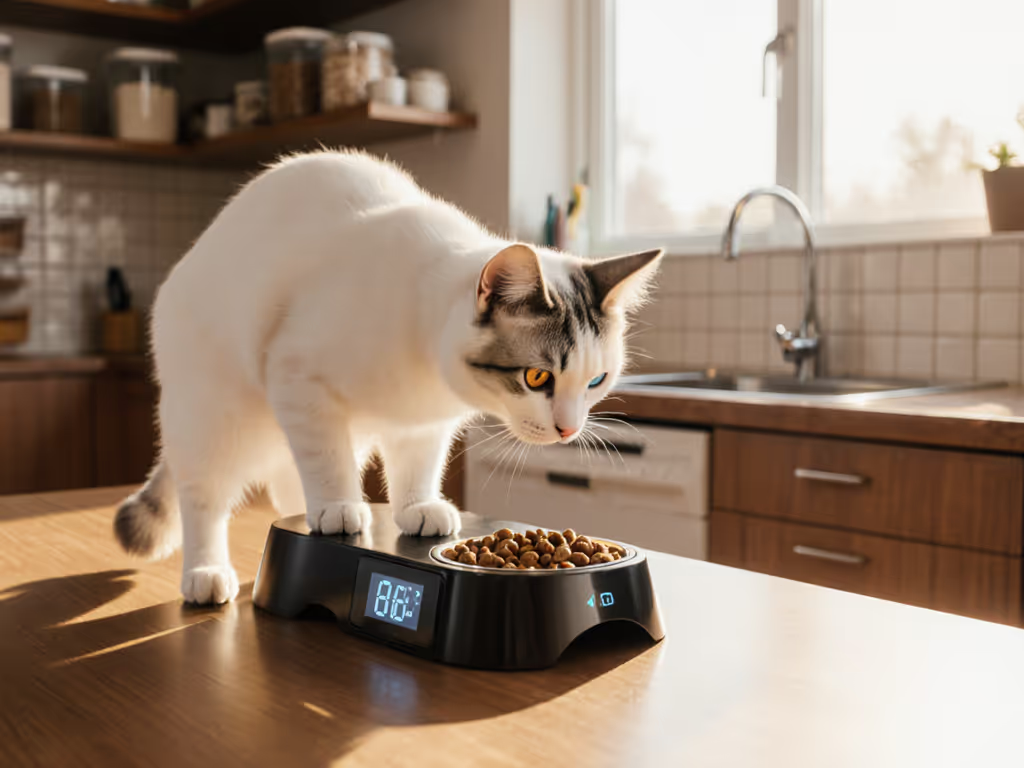
Microchip or RFID Access Control
How It Works:
- Bowl or feeder opens only when the registered cat's microchip or collar tag is detected
- Typically battery-powered with 6-12 month intervals between changes
- Can store portion data and eating times
For Chronic Pain Cats:
- Ensures the right cat gets the right therapeutic diet
- Reduces stress from resource guarding; each cat knows their meals are protected
- Offline operation during Wi-Fi or power loss is critical; some systems fall back to passive RFID readers that require no batteries
- Data logging helps you and your veterinarian track whether pain-related appetite changes have occurred
Offline Reliability Alert: Battery-powered access control should never lock a cat out permanently if the battery dies. It should either remain open as a failsafe or require a simple manual override. Test this before adoption. A device that fails silently is the loudest thing in your home at 3 a.m. (and in this case, it is a hungry, painful cat).
Verdict: Recommended for multicat homes or when precise intake monitoring supports pain management and medication timing.
Feeding Frequency and Small-Portion Systems
Pain management feeding solutions often require smaller, more frequent meals rather than one or two large portions.[4] For structure you can adapt to pain flares, use our cat feeding schedule by age and health. Cats with chronic pain may eat more slowly or in shorter sessions; breaking meals into four or five small portions throughout the day can improve total intake without forcing the cat to finish a large bowl in one sitting.
Manual Scheduled Feeding
Method: You place pre-measured portions in bowls at fixed times (e.g., 7 a.m., 11 a.m., 3 p.m., 7 p.m., 11 p.m.).
Pros:
- Complete control over portion size and meal timing
- No power, app, or connectivity required
- Easy to adjust portions if pain levels fluctuate
- Privacy by design; no data collection or cloud sync
Cons:
- Requires discipline; missing a meal disrupts the routine
- Incompatible with variable work schedules
- No intake log unless you manually track it
Best For: Work-from-home caregivers, retired individuals, or households with predictable routines.
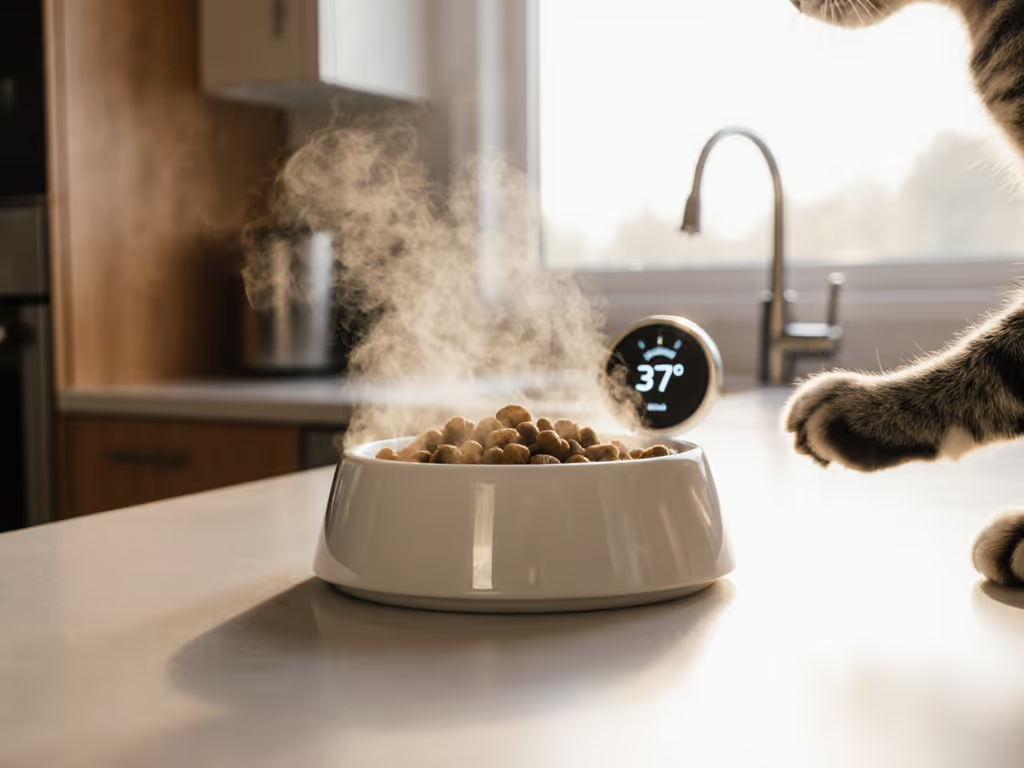
Automatic Timed Feeders (Battery or Plug-In)
Method: Motorized carousel or gate dispenses pre-portioned meals at scheduled intervals.
Pros:
- Enforces feeding schedule even when you are away
- Reduces manual labor, especially in multicat households
- Many models include basic intake logs
- Battery-backed operation available (typically 4-8 weeks of autonomy on backup)
Cons:
- Motor noise can startle anxious or pain-sensitive cats
- Portions are fixed at setup; mid-meal adjustments require feeder reprogramming
- Mechanical jams occur with certain kibble shapes or moist foods
- Battery depletion timing is hard to predict; some models offer no manual override
Pain Considerations: A loud motor dispensing breakfast at 6 a.m. can trigger stress and inflammation in a sensitive cat. Seek models rated at <50 decibels in real-world testing, not marketing claims. Quiet, reliable dispensing matters for pain management.
Best For: Households with 8-hour+ absences or multicat homes where portion accuracy is essential.
Neuropathic Pain Feeding Adaptations: Bowl Materials and Geometry
Cats with neuropathic pain (conditions affecting peripheral nerves) sometimes develop oral sensitivity and aversion to certain bowl materials. Some cats experience whisker fatigue in deep or narrow bowls; others show chin acne from plastic residue or reactive ceramic glazes.
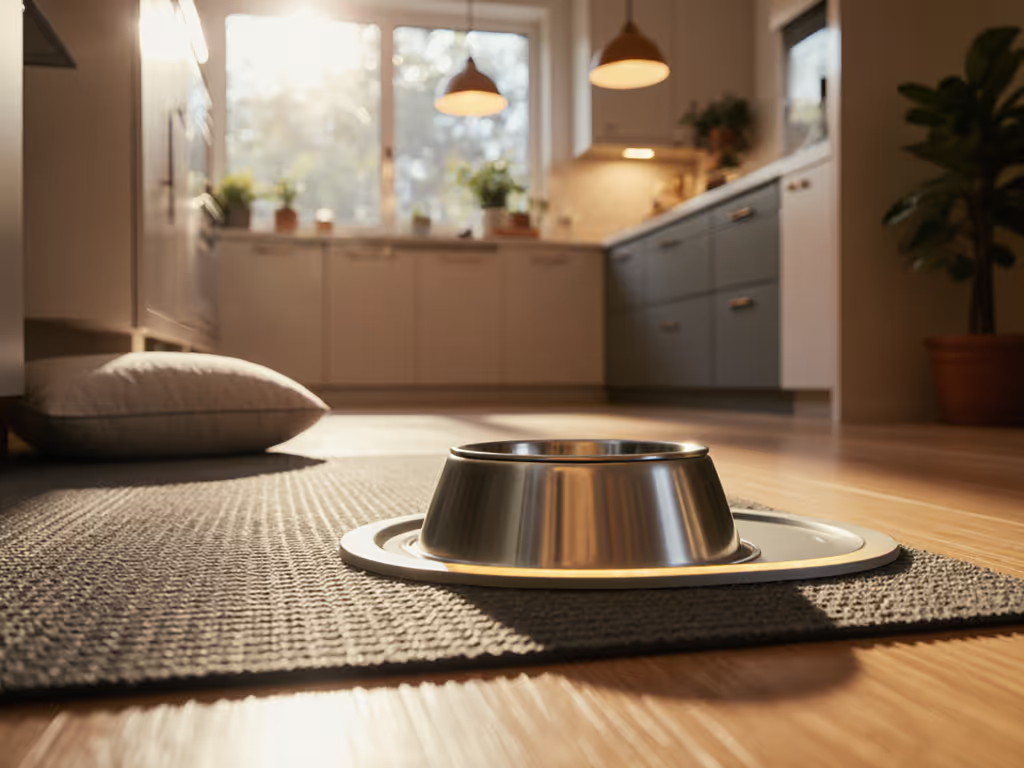
Bowl Material Comparison:
| Material | Durability | Cleanability | Sensory Comfort | Cost |
|---|---|---|---|---|
| Stainless Steel (304-316 grade) | Excellent; 5+ years | Excellent; no odor/staining | Neutral; cool sensation | $15-$40 per pair |
| Ceramic (food-grade, lead-free) | Good; 3-5 years if not chipped | Good; some glazes trap bacteria | Neutral to premium feel; some cats prefer | $10-$35 per pair |
| Plastic (BPA/BPS-free) | Fair; 1-3 years | Fair; scratches harbor bacteria; retains odors | Poor; prone to chin acne | $5-$15 per pair |
| Silicone (food-grade) | Good; 3-5 years | Excellent; non-porous | Neutral; texture preference varies | $20-$45 per pair |
Geometry Matters:
- Wide, shallow bowls reduce whisker fatigue and allow slower, controlled eating (beneficial for cats with pain-related eating anxiety)
- Deep or narrow bowls force neck and jaw contortion; avoid these for cats with cervical or temporomandibular pain
- Tapered bottoms concentrate food in a small zone; cats may reject partially because reaching the bottom requires excessive flexion
Recommendation: For neuropathic pain feeding adaptations, use wide, shallow, 304-grade stainless steel or food-grade ceramic bowls. These minimize sensory irritation while supporting neutral neck posture.
Multi-Cat Households: Spatial Separation and Quiet Scheduling
When multiple cats share a home and one has chronic pain, feeding-time stress compounds their discomfort. A dominant cat may block access to the painful cat's food or escalate territorial displays during meal times, which elevates cortisol and worsens inflammation.
Spatial Strategies
The Six-Foot Rule: According to American Association of Feline Practitioners guidelines, separate feeding stations should be at least six feet apart, with visual barriers (closed doors, screens, or furniture) preventing line-of-sight competition.[4]
Layout for Chronic Pain:
- Primary feeder for the pain-affected cat in a quiet, low-traffic zone (bedroom, office, laundry room)
- Secondary feeders for other cats in different areas
- Water stations remote from food (cats naturally separate them)
- Quiet operation essential; any motor noise triggers inter-cat tension and stress for the vulnerable cat
Scheduling Offline Reliability
If you use an automatic feeder in a multicat home, test these scenarios before relying on it:
- Power failure: Does it fall back to manual override or remain locked?
- Wi-Fi dropout: Can the schedule run locally without cloud sync?
- Battery depletion: Does it alert you, and does it fail open (safe) rather than closed (locking the cat out)?
- Noise during dispense: Measure or listen in a quiet room; <50 dB is ideal for pain-sensitive cats.
A feeder that fails silently (resetting schedules, jamming during an outage, or locking access during battery loss) undermines the entire goal of pain management. Reliability first.
Integrating Feeding with Pain Medication and Veterinary Monitoring
Chronic pain management in cats is multimodal: medications (opioids, NSAIDs, amantadine), supplements (glucosamine, chondroitin, micro-palmitoylethanolamide), dietary changes, and therapies (acupuncture, laser, chiropractic) all work together.[1][2][3] Feeding becomes a data point in this ecosystem.
The Role of Intake Logs
Does your feeder (manual or automatic) allow you to log:
- When the cat ate?
- How much they consumed?
- Whether they left food behind?
- Trends over days or weeks?
A simple notebook works fine; a smart feeder with a readable app (not cloud-dependent, privacy by design) is better. Your veterinarian can use intake data to assess whether pain medication is working, whether appetite reflects pain flares, or whether weight trends suggest complications.
Low-Impact Feeding Systems should integrate with your pain management plan, not complicate it. If a feeder requires constant app tweaking, Wi-Fi troubleshooting, or battery checks, it becomes a source of stress and cognitive load (the opposite of helpful).
Conclusion: Choosing the Right Setup for Your Cat
Feeding a cat with chronic pain is not about the fanciest gadget; it is about matching the right height, container, access control, and schedule to your cat's anatomy, pain level, and your household's reality.
A raised bowl at elbow height costs $30-$50 and works offline forever. A microchip-gated feeder with battery backup and a quiet motor costs $200-$500 but offers access control and intake data (valuable if your household is complex or your cat requires a strict therapeutic diet). Manual scheduled feeding costs almost nothing but demands your presence and discipline.
Each approach has trade-offs. What matters is testing for offline reliability before you trust any device: Does it fail gracefully? Can you override it manually? Does the schedule persist during Wi-Fi loss or power failure?
If you are uncertain about your cat's feeding setup or whether their current system supports pain management, consult your veterinarian. Ask them to evaluate bowl height, portion size, meal frequency, and whether your current approach matches their pain management plan. If you use an automatic feeder, walk through offline scenarios together.
Your cat's comfort at mealtime is not a luxury; it is part of their pain care. The right setup, tested and reliable, removes a daily source of friction and lets healing progress quietly, without the 3 a.m. wake-up calls that derail recovery.
Next Steps: Review your current feeding setup against the comparisons above. Measure your cat's elbow height from the floor, note any eating patterns that suggest discomfort (slow eating, head tilting, food avoidance), and discuss modifications with your veterinarian. If you are considering an automatic feeder, request a trial or detailed return policy, then test its offline behavior in your own home before fully adopting it. Small adjustments now can yield measurable improvements in intake, weight stability, and quality of life over months.
Related Articles