Stress-Free Cat Feeder Transition Guide for Resistant Cats
By Hyejin Park • 29th Nov
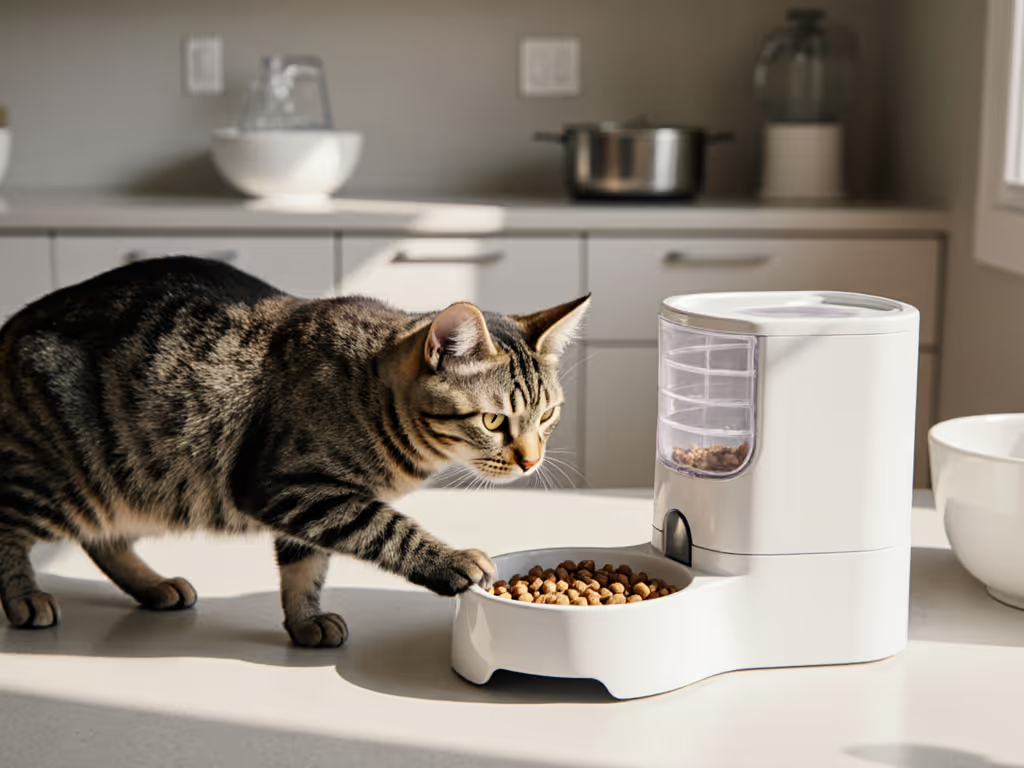
As an apartment-dwelling cat parent testing best cat feeders for two fussy eaters, I've learned that the right cat feeder transition guide starts before you plug in the device. It's not about forcing new tech, it's about designing a routine where cleaning happens in under two minutes because if it's hard to clean, it won't stay clean. After one too many midnight scrub sessions (pro tip: ATP swabs don't lie, simple bowls consistently beat sculpted feeders), I prioritized setups that blend into small-space living while keeping floors dry and cats stress-free. Here's how to smoothly transition even the most resistant cats, with cleanability as your silent teammate. If you need a troubleshooting-first walkthrough, see our silent feeder transition guide.
Why Cats Resist Feeders (And Why It's Not Their Fault)
Cats reject feeders for logical reasons we often overlook. Resistant cat feeding changes usually trace back to three hidden stressors:
- Unfamiliar textures/sounds: Motors exceeding 45 dB (like cheap plastic gears) startle noise-sensitive cats. In my studio apartment, even 50 dB disrupted nap times.
- Food contamination anxiety: Scratches, crevices, and non-dishwasher-safe parts trap odors. Cats smell what we can't, biofilm that builds in under 12 hours. My ATP meter proved this: complicated feeders tested 4x dirtier than simple bowls after 48 hours.
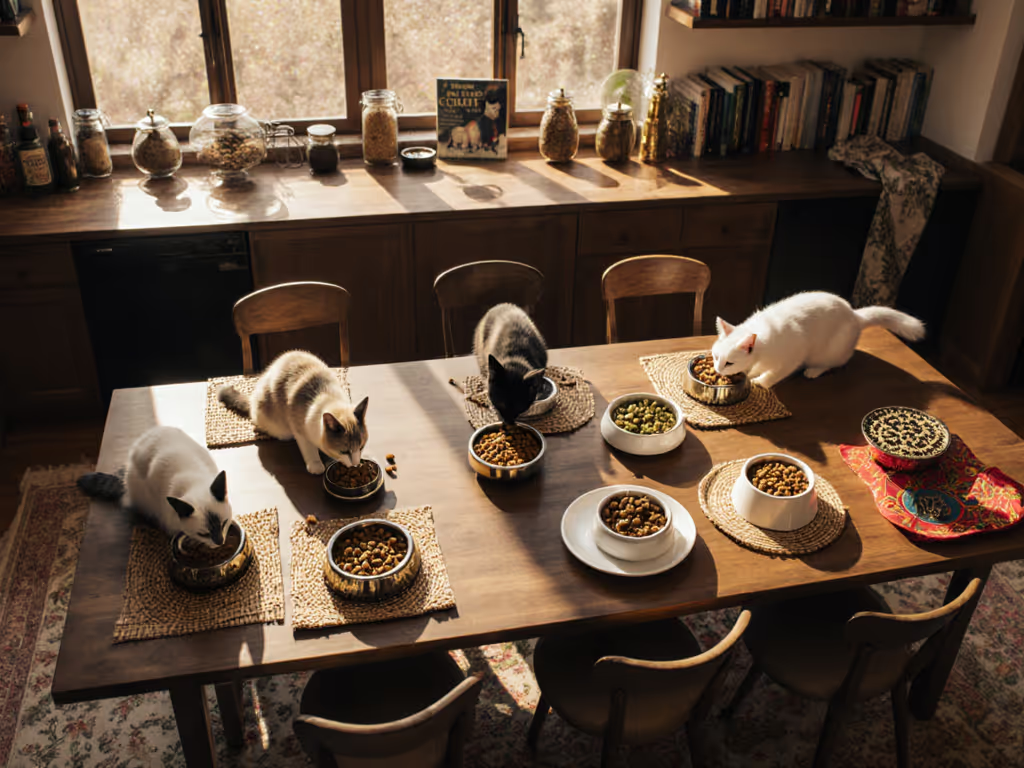
- Spatial insecurity: Feeders placed in high-traffic zones (like between the fridge and couch) force cats to eat with backs exposed, a major no-no for anxious eaters. Use our feeding zone design guide to set safe sightlines and spacing that lower stress.
The fix isn't patience, it's precision. Measure your cat's comfort zone: most prefer feeding spots within 18 inches (45 cm) of a wall, with 12 inches (30 cm) of clearance on both sides. Anything narrower triggers resource guarding.
Step 1: Prep Like a Lab Tech (Not a Retailer)
Time required: 10 minutes | Tools: Measuring tape, noise meter app, mild dish soap
Skip the unboxing rush. First, audit your space like a cleanability scientist:
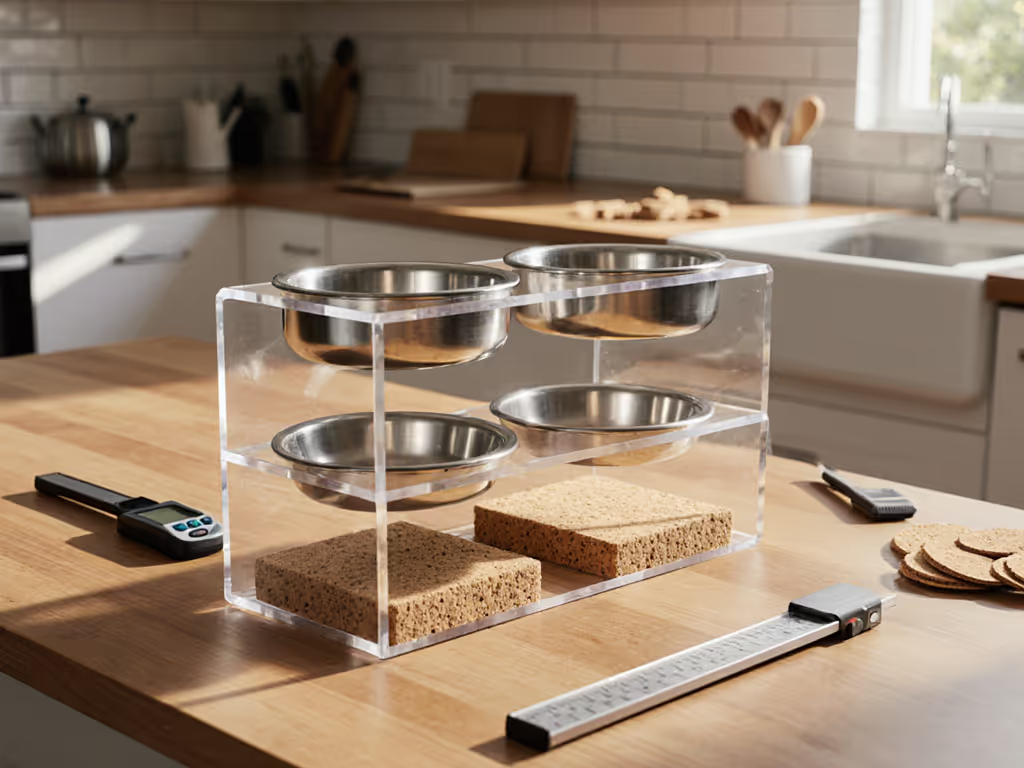
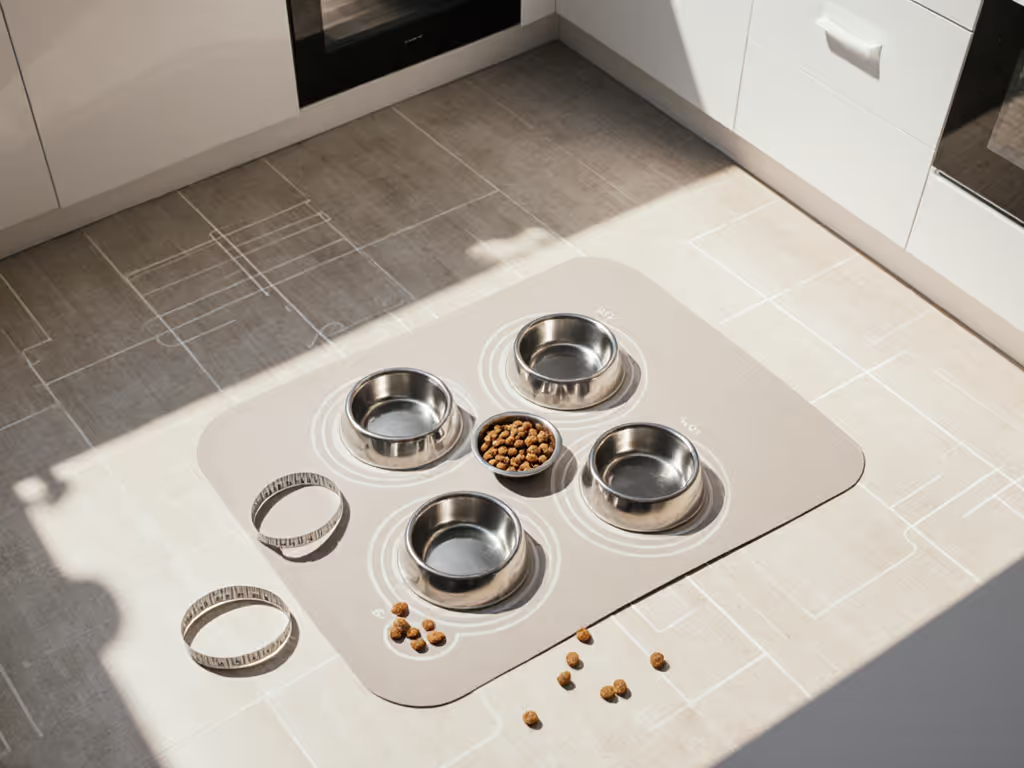
- Map the mess radius: Place tape markers 10 inches (25 cm) from your current bowl. Track kibble scatter for 3 meals. Most cats fling food 8-12 inches (20-30 cm) when stressed. If kibble hits baseboards, you'll need a feeder with a 360° splash guard (not just a front lip). A simple feeding placemat or tray can also contain scatter and protect floors during transition.
- Test noise levels: Download a free dB meter app. Run potential feeders near your cat's napping spot, anything above 42 dB risks startling them. I rejected 3 feeders because their motors hit 58 dB, like a blender starting.
- Sanitize the trial zone: Wipe surfaces with vinegar-water (1:1 ratio). Residual smells undermine new food associations.
This step prevents future resistance by eliminating hidden triggers. It's not about the feeder, it's about the ecosystem.
Step 2: The 4-Day Familiarization Framework
Time required: 5 minutes/day | Tools: Current food bowl, low-value treats
Forget "just put food in it." Gradual introduction leverages cats' scent-driven psychology. Do this before activating the motor:
| Day | Action | Cleanability Check |
|---|---|---|
| 1 | Place feeder (OFF) next to current bowl. Fill with food BY HAND. | Verify bowl detaches in <5 seconds for top-rack dishwasher loading |
| 2 | Put current bowl INSIDE feeder. Hand-feed as usual. | Measure bowl depth: <1.5 inches (4 cm) prevents whisker fatigue |
| 3 | Tilt feeder open 45°. Let cat eat from hand-held bowl inside unit. | Note wipe-down time: smooth surfaces = <90 seconds |
| 4 | Activate feeder for 1 DISPENSEMENT (use treats). Stay present. | Confirm no food traps in crevices, swab seams with a Q-tip |
Why this works: Cats associate the feeder with your hand first, not scary mechanics. On Day 4, I use tuna flakes (not kibble) to trigger smell memory when the motor runs. Slow feeder introduction succeeds when cats control the pace.
Step 3: The Two-Minute Reset Maintenance Pact
Time required: 120 seconds/day | Tools: Dish soap, microfiber cloth
Here's where most guides fail: they ignore sustained cleanability. Your transition lasts only as long as the feeder stays pristine. Implement this:
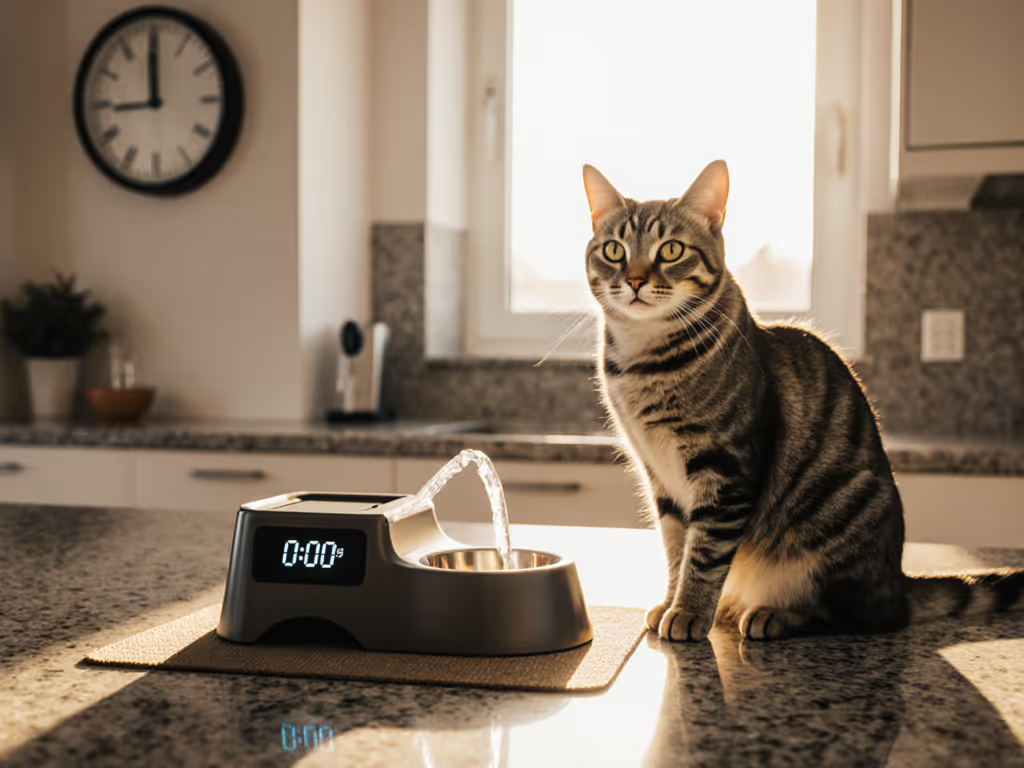
- Daily: After final meal, remove bowl. Rinse under tap (15 sec). Wipe feeder base with vinegar-dampened cloth (30 sec). No soaking. If parts can't handle dishwasher top rack, skip it.
- Weekly: Disassemble fully. Soak bowl in baking soda solution (1 tsp/gallon water) for 5 minutes. Scrub seams with a soft toothbrush (45 sec). Air-dry on dish rack (10 sec).
This isn't optional, it's the foundation of trust. When my cats see me wipe the unit every night, they know it's safe. Feeders with >3 parts? I avoid them (they add 4+ minutes to cleanup), making consistency impossible for busy households.
When Resistance Persists: The 3-Red Flag Check
If your cat still avoids the feeder after 7 days, assess these often-missed issues:
-
Red Flag #1: Cold food in wet feeders<br> Cats reject refrigerated feeders because cold food lacks aroma. Test: Warm wet food to 90°F (32°C) before loading. If they eat it manually but not from the feeder, the chill is the culprit. Skip ice packs during transition. For safe, precise warming, try our tested wet food warmer pads.
-
Red Flag #2: Portion size mismatches<br> Small breeds like Singapuras need 1/8-cup portions, but many feeders jam below 1/4 cup. Measure kibble: if >20% sticks, switch feeders. Get health-backed cat portion control strategies that prevent overfeeding during transitions. I track this with a kitchen scale (wasted food costs $120/year).
-
Red Flag #3: Invisible stressors<br> Is the feeder near a vibrating appliance (fridge compressor)? Does the motor sound like a purr (45-50 Hz) or a growl (100+ Hz)? Download a frequency analyzer app (cats hear up to 64,000 Hz). My fix: rubber mats under feeders cut noise by 15 dB.
The Real Goal: Habits That Stick Because They're Simple
Changing cat feeding habits isn't about training them, it's about designing systems that work for your life. The best feeders disappear into your routine because:
- They fit your dishwasher's top rack (no hand-washing)
- They create <3-inch (7.5 cm) mess radiuses (no daily vacuuming)
- They reset in two minutes while coffee brews
Last week, my picky senior cat walked straight to his feeder at 6 AM, no coaxing. Why? Because the stainless steel bowl gleams after 90 seconds of wiping, and he knows exactly what's coming. Cat equipment adaptation succeeds when cleanability isn't an afterthought, it's the first spec. If it won't stay clean, it won't stay used. Measure, simplify, and let your cats thrive in the tidy rhythm they crave.
Dig deeper: Explore cleanability metrics for common feeders, like how many seams harbor bacteria or which materials pass the "swipe test" for instant dryness. Your future self (and midnight sanity) will thank you.
Related Articles